06 4 2026
Effects of Cultural Burn Restoration on Black-tailed Deer Activity at Jasper Ridge Biological Preserve ('Ootchamin 'Ooyakma)
Conducted under the direction of Rodolfo Dirzo, Katie Glover, Adriana Hernandez, and Trevor Hebert.
Supported by Jasper Ridge Biological Preserve ('Ootchamin 'Ooyakma).
With gratitude to the Muwekma Ohlone Tribe.
03 22 2026
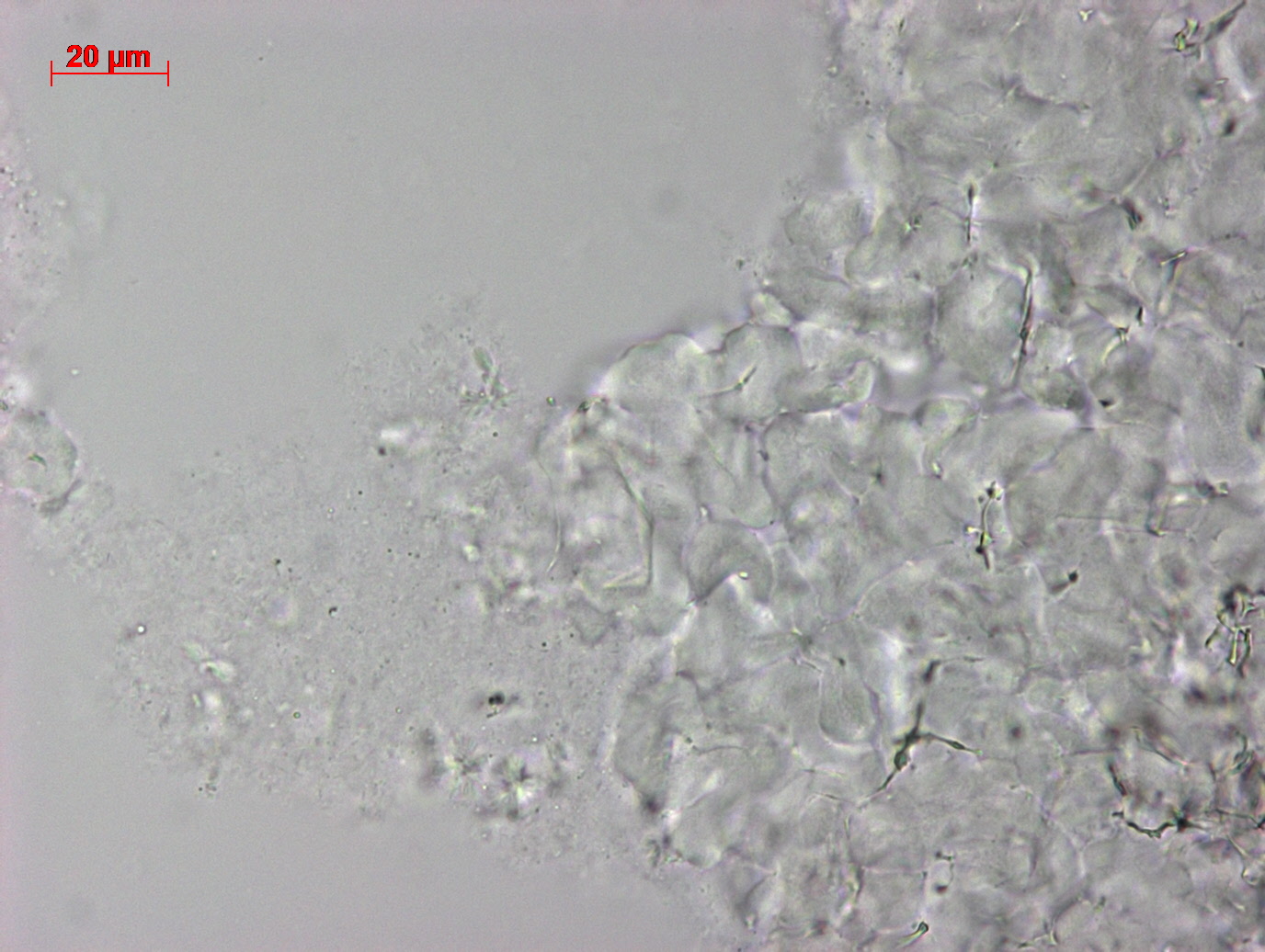
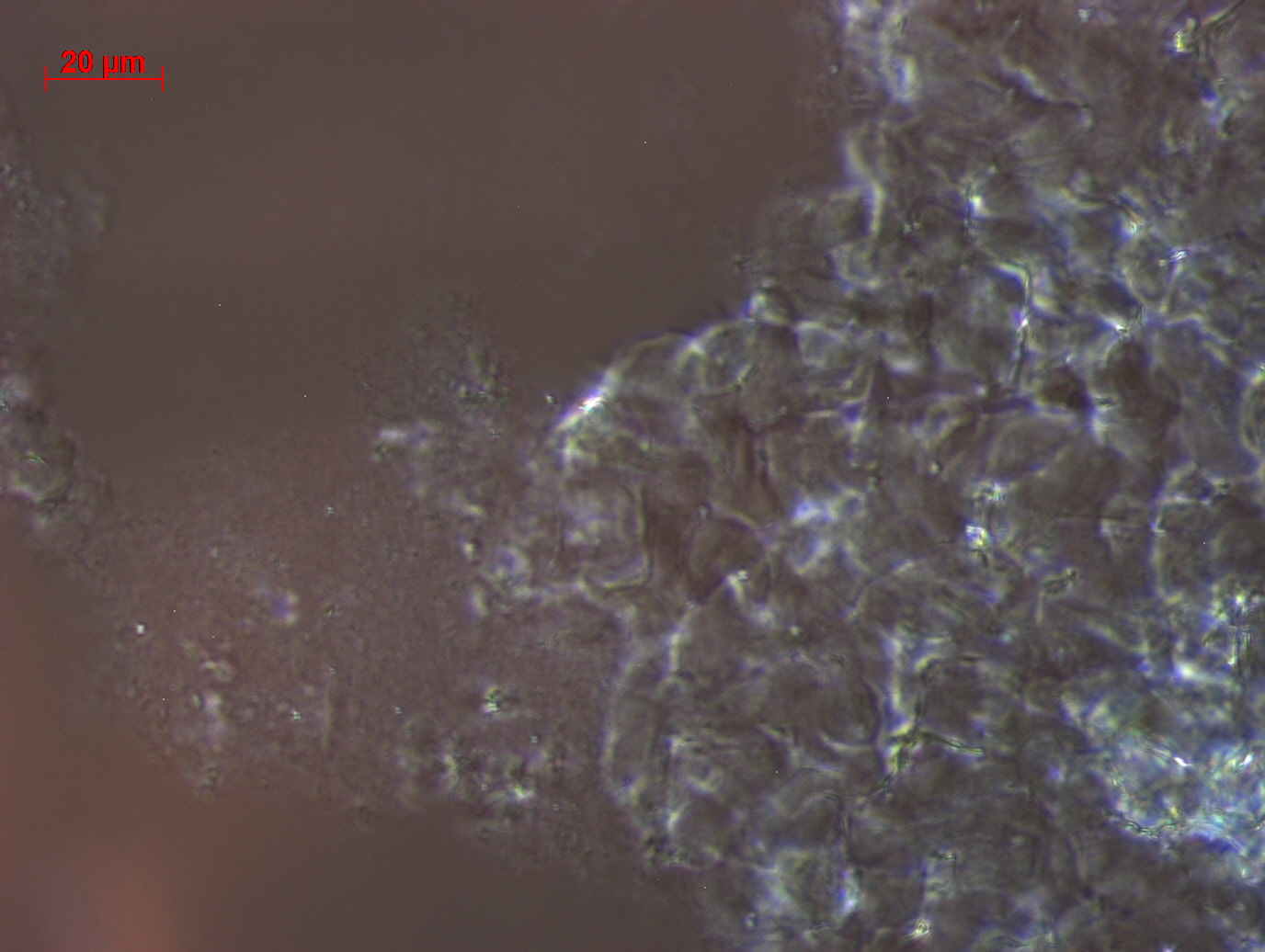
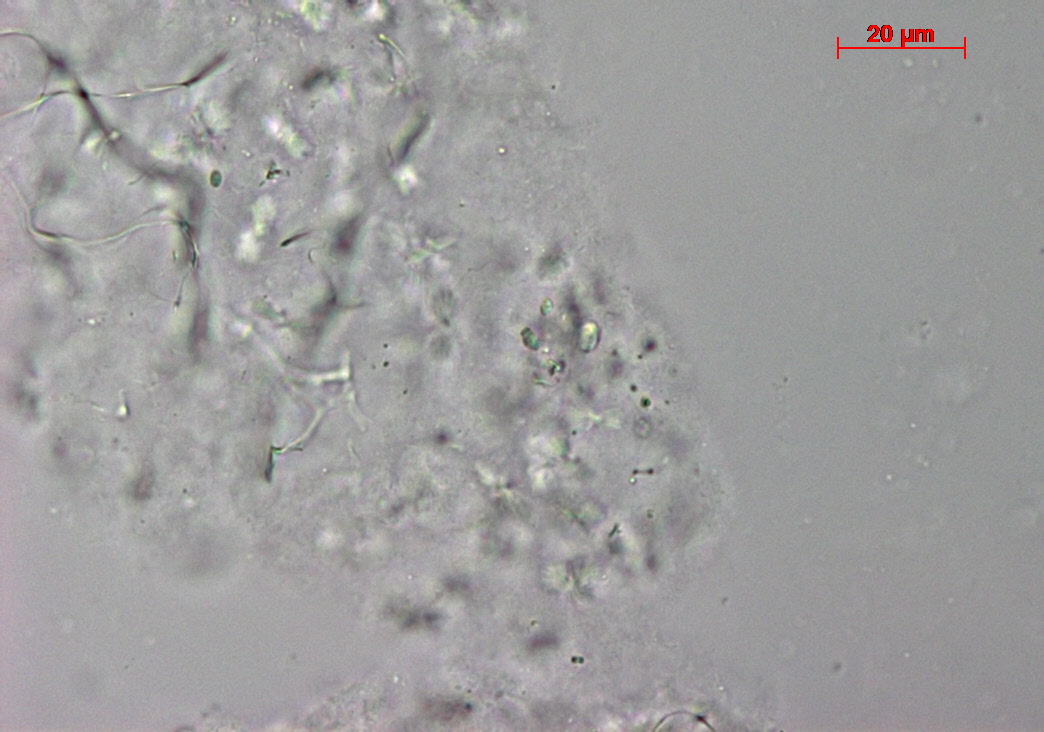
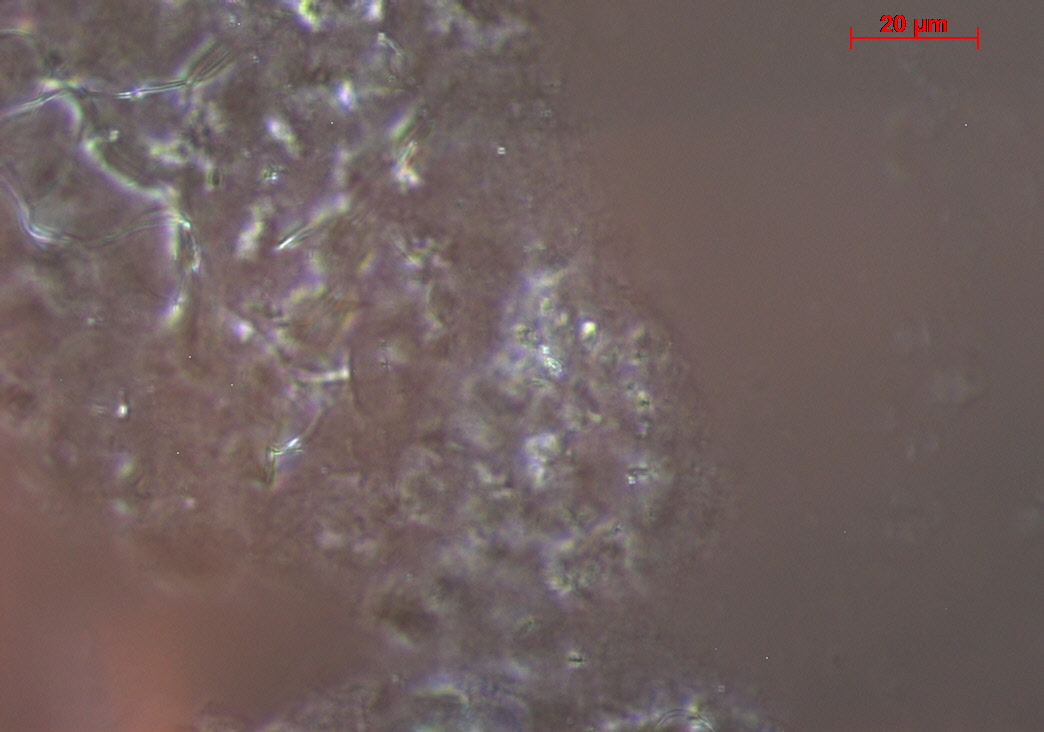
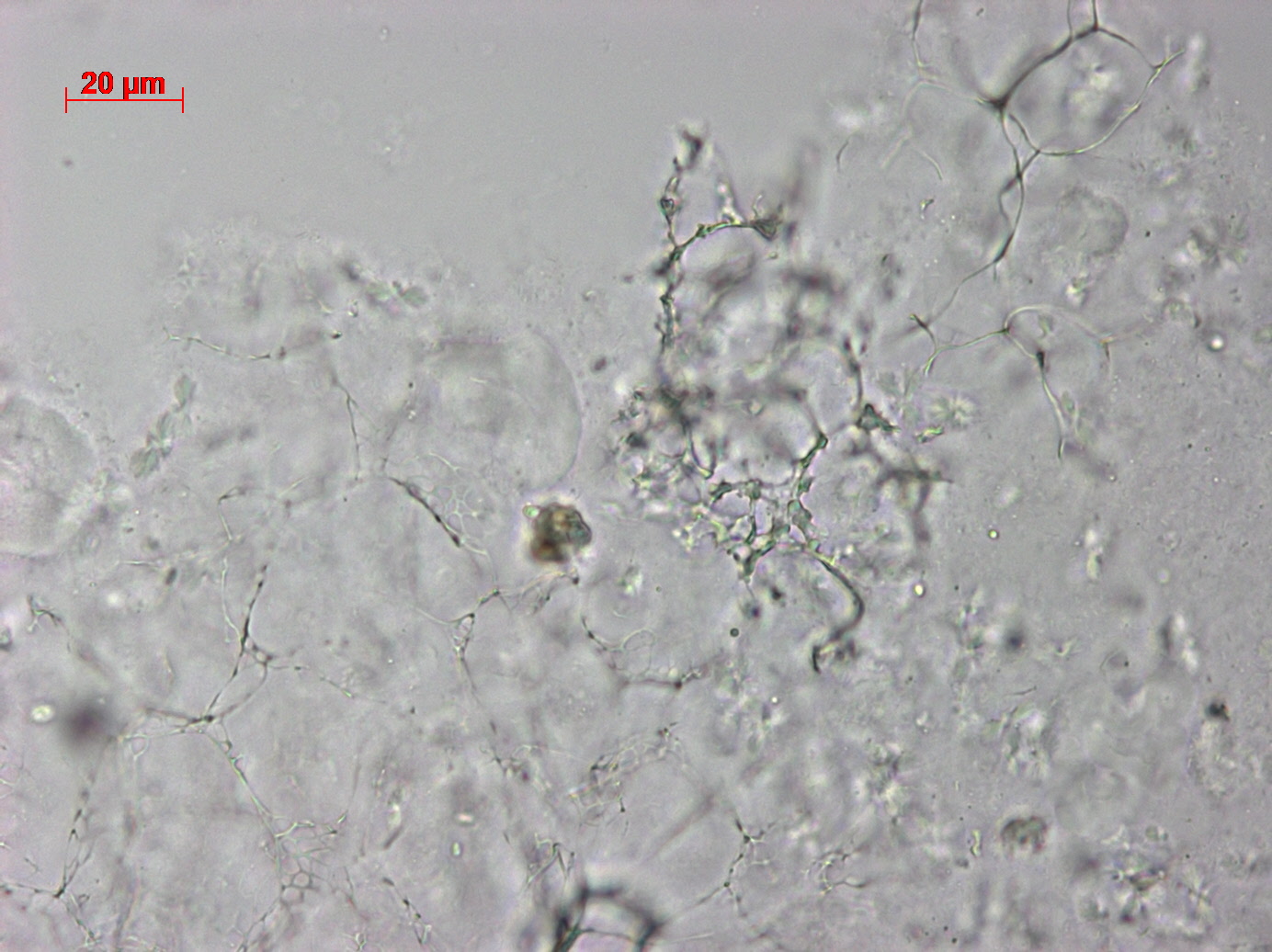
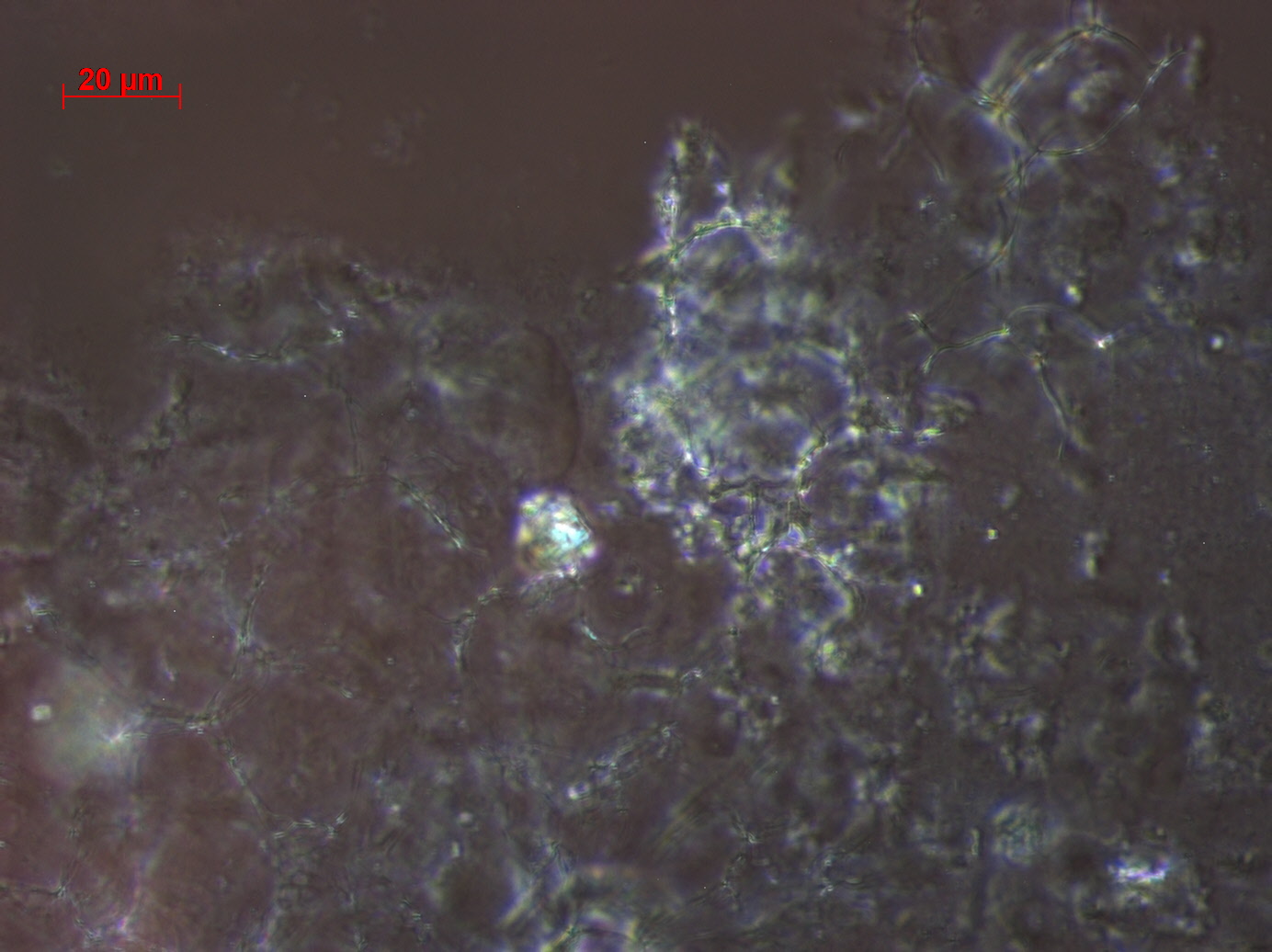
Changes in Zea mays starch morphology register the material effects of chicha preparation: heat, water, and fermentation
Conducted under the direction of Yahui He and Jie Shen. Supported by the Liu Lab and Stanford Archaeology Center.


07 14 2025
Land of Stećci: 2025 Excavation of the Fortifications and Necropolis at Pavlovac,
in Bosnia and Herzegovina
Conducted under the direction of Saša Čaval and Krish Seetah. Supported by the Seetah Lab,
Zavičajni muzej Goražde, and Stanford Archaeology Center.
The 2025 field season marked the first formal investigation of the Pavlovac fortification and
the corresponding Podgorica necropolis, near the town of Prača, Federation of Bosnia and Herzegovina, BiH.
Constructed in 1392 on a steep ridge above the Prača River valley, Pavlovac was used and defended by
the Pavlović family until Ottoman conquest in 1463.
Excavation of the main Pavlovac fortress revealed a formerly multi-story tower, containing a small doorway
and inset pillars, which possibly supported interior arches. The fortress was constructed in limestone bricks interspersed
with tufa and filled with mortar. Its construction suggests function as a defensive structure or a worship space.
A transect was selected near the main fortress due to an outstanding feature.
Excavation revealed the feature was geologic in origin, yet modified with a channel cut into the bedrock,
spanning the horizontal length of the transect. The feature may have functioned
as a wall or partition, and its modification suggests potential use for water management or redirection.
The aforementioned transect produced a significant concentration of finds, including numerous bones, nails, and pottery sherds,
as well as a silver coin identified as Roman (above), and a gold ring with Cyrillic inscriptions identified as medieval.
The latter two finds are currently scheduled for exhibition at the Zavičajni muzej Goražde.
Located approximately twenty minutes southeast of the Pavlovac fortress, Podgorica, the corresponding necropolis,
contained 24 stećci displaced by natural processes such as soil movement, erosion, and root growth.
The tombstones varied in form, with some featuring flat tops and others with gabled roofing.
Documentation of each stećak's position, condition, and carvings was completed, and
drones were utilized to create high-resolution 3D spatial models
using LiDAR. It is suggested that this burial ground was exclusive to the Pavlović family.